


The boxes were cleared out a few months ago, but now the storage room is filling up again. Employees are setting aside paperwork, another shredding appointment needs booking and the same cleanup is back on the to do list. If that pattern sounds familiar, scheduled shredding in Tucson may be worth considering.
One time shredding works well for an occasional file purge. But when confidential paperwork becomes a regular part of the workweek, it’s worth reviewing whether that approach still fits. The decision depends on how quickly documents accumulate, how they’re stored and how much effort your team spends managing disposal.
Signs Your Business Has Outgrown Occasional Shredding
A large collection of old files doesn’t automatically mean you need regular pickups. The stronger signal is what happens after those files are gone. If paperwork keeps building up, these signs can help you decide whether it’s time for a change.
Cleanouts Are Becoming a Regular Task
An annual archive cleanout is one thing. Repeatedly clearing the same room because everyday paperwork has nowhere to go is another.
Look back at your recent appointments. Were they tied to separate events, such as an office move or file review? Or were you repeatedly addressing the same buildup? If the need is predictable, recurring shredding services may be easier to manage than arranging each visit separately.
Confidential Paperwork Builds Up Between Appointments
Boxes beside printers, files under desks and piles waiting in shared workspaces can indicate that your disposal arrangements aren’t keeping pace.
The concern isn’t simply clutter. Paperwork containing customer details, payroll information or account numbers still needs protection while awaiting destruction. A regular collection routine with secure containers gives employees a designated place for documents that are ready to be discarded.
Employees Spend More Time Managing Disposal
Someone has to gather the paper, find storage space, arrange service and coordinate access. When those tasks keep returning, they can interrupt other work.
Consider who handles them and how often. A planned service routine can reduce repeated booking and preparation, although employees still need clear instructions about what can be destroyed.
Business Growth Has Changed Your Shredding Needs
A Tucson medical practice adding providers may generate more printed patient paperwork. A professional office hiring staff may have more payroll records and internal reports to manage.
Growth doesn’t always mean more paper, but it can change disposal needs. If the arrangement that worked for a smaller team now leaves documents waiting for weeks, it’s time to reassess it.
What to Review Before Switching to Scheduled Shredding
Before requesting a quote, take a practical look at how paper moves through your workplace. Focus on documents that are actually ready for destruction, rather than everything in your filing cabinets.
Consider:
- Paper volume: How much discarded paperwork accumulates during a typical week?
- Storage: Where does it wait, and who can access that area?
- Departments: Do reception, accounting and other teams need separate containers?
- Busy periods: Are there times when disposal volume rises noticeably?
- Current effort: How much staff time goes into storing unneeded documents and arranging collections?
When comparing business shredding services, look beyond the price of an individual appointment. Ask what the quote includes, how containers are supplied and how additional pickups are handled. Compare that with your current costs and administrative effort without assuming a regular plan will always be cheaper.
How to Make the Switch Without Disrupting the Workday
Start by explaining your existing setup to the provider. Share how much paper you have, where it’s stored and how quickly new documents accumulate.
If there’s a backlog, an initial purge can clear records already approved for destruction before regular collections begin. Then establish the routine:
- Choose container sizes and locations that suit your team.
- Agree on a collection interval based on actual document volume.
- Assign a staff contact to coordinate service and report changes.
- Explain accepted materials and destruction approvals to employees.
- Review the arrangement once you’ve seen how it works.
For secure document disposal to become a habit, employees need a straightforward process they can follow during a busy day.
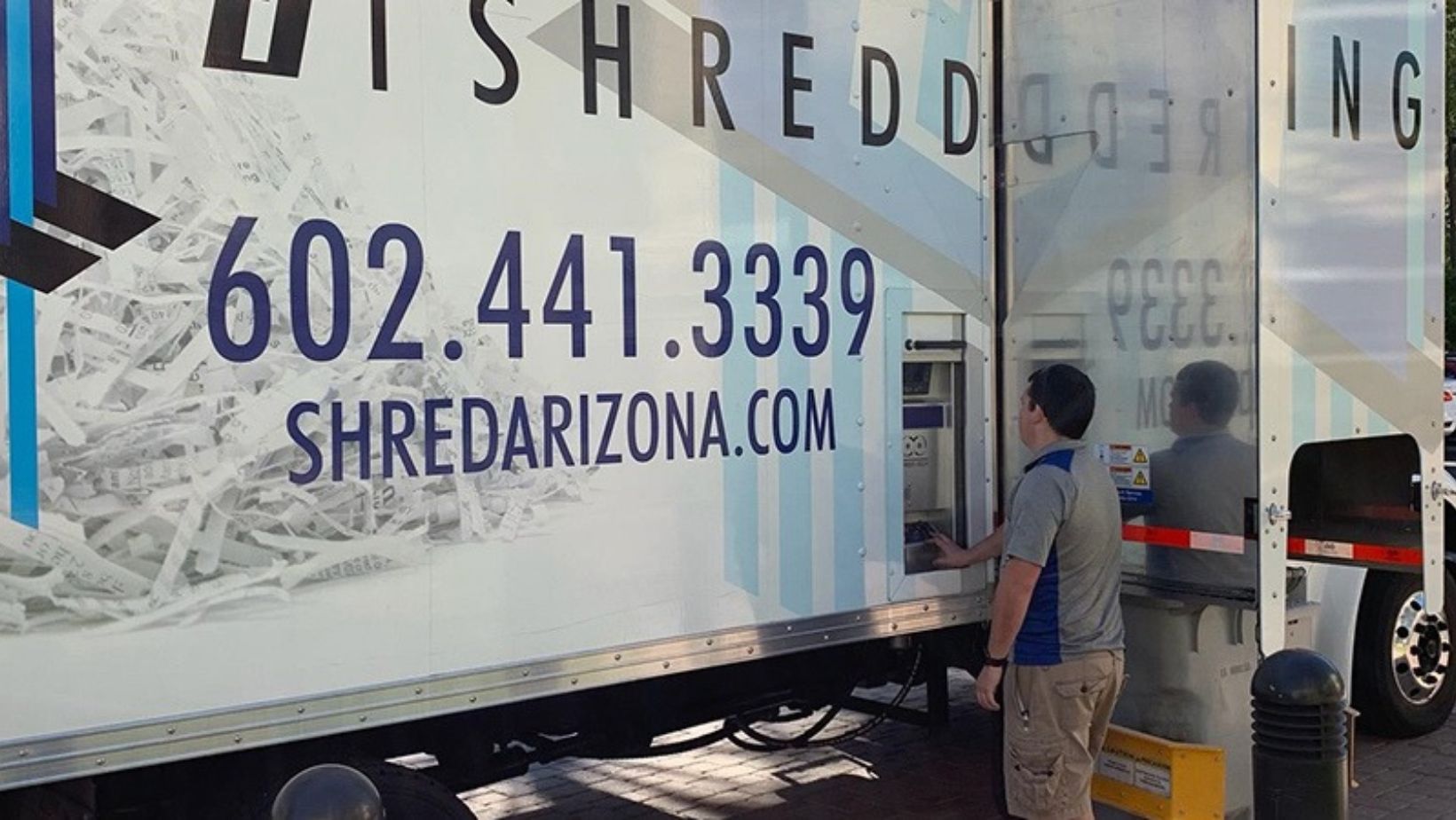
A-1 Shredding Arizona’s scheduled service includes locking collection bins and mobile shredding at your location, with the option to witness destruction. Our team can discuss a schedule suited to your disposal needs.
Build a Shredding Routine That Fits Your Tucson Business
If the same paperwork problem keeps returning, a regular service may be the next practical step. You don’t need to wait until the storage room is full again to review your options.
A-1 Shredding Arizona can help you plan scheduled shredding in Tucson around your document volume and workplace needs. Contact our team or call (602) 759-5103 to request a free quote and put a consistent disposal routine in place.
FAQs About Scheduled Shredding in Tucson
How often should a business schedule pickups?
Frequency depends on paper volume, container capacity and storage needs. Review how quickly containers fill during normal operations and busy periods, then discuss suitable intervals with your provider.
Can a small business benefit from regular collections?
Yes. A small team that regularly discards sensitive paperwork may benefit from planned pickups. Staff numbers alone don’t determine whether a recurring service makes sense.
Can I keep using one time shredding for larger cleanouts?
Yes. Routine collections can handle everyday paperwork while a separate purge addresses archived files or a larger cleanup. Discuss the additional volume and arrangements with your provider beforehand.
When does one time shredding still make sense?
Occasional service can remain suitable when disposal needs are infrequent, such as an isolated archive cleanout. The important consideration is whether you can store documents securely between appointments.
