
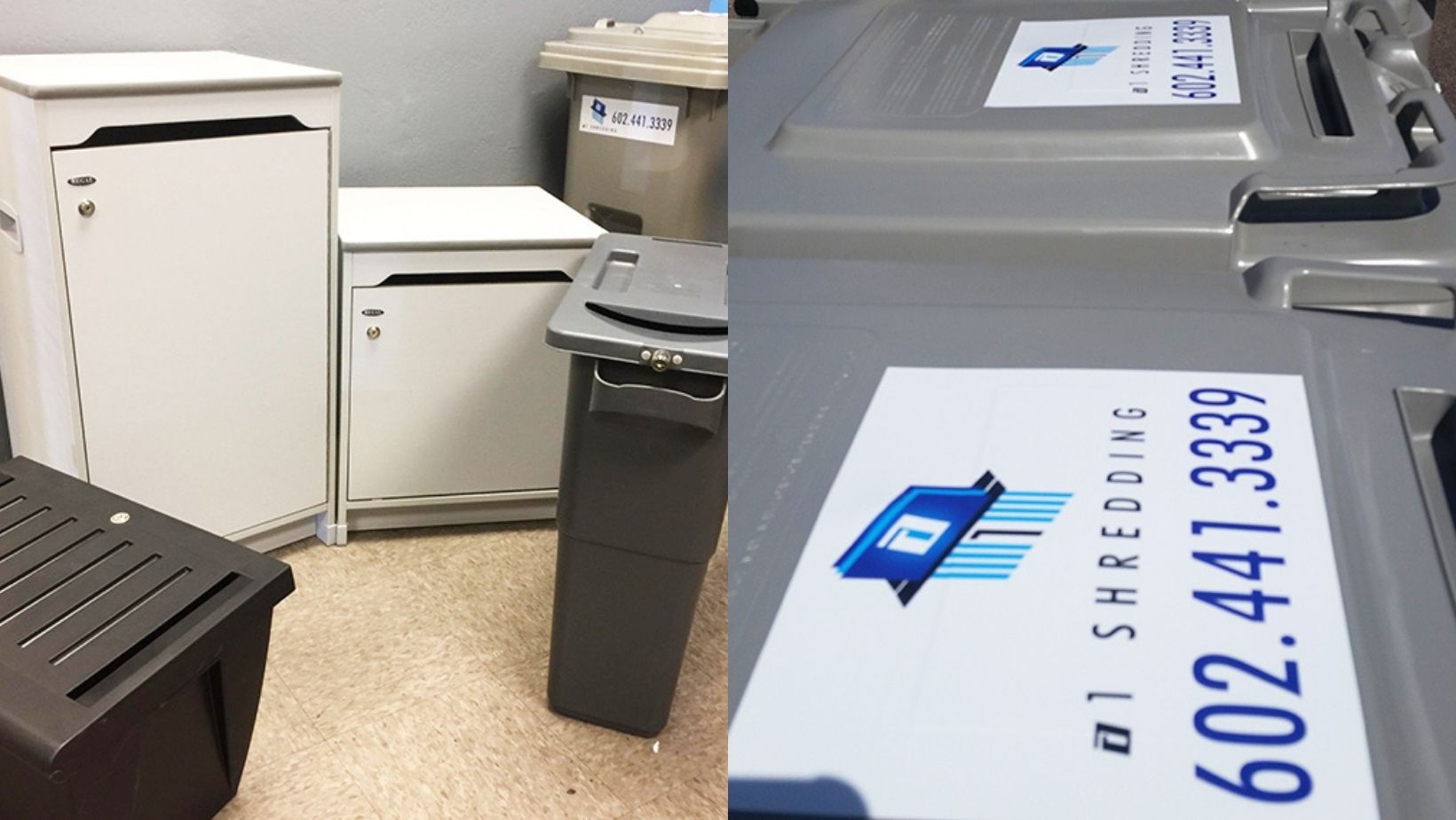
A locked shredding bin can only protect confidential documents if employees actually use it. When the nearest container is on another floor or hidden in a distant records room, unwanted paperwork tends to collect on desks, beside printers, or in filing cabinets. Some documents may even end up in regular recycling.
A professional shredding service can help determine where containers should be placed based on your office layout, document volume, and the departments handling private information. In most cases, the best locations are close to where confidential documents are created, copied, reviewed, or no longer needed. The bins should be convenient for employees while remaining out of reach of customers and visitors.
Why Shredding Bin Placement Matters
Secure document disposal has to fit naturally into the workday. Employees are more likely to follow company procedures when they can deposit unwanted documents immediately instead of setting them aside for later.
Thoughtful placement can help your Tucson business:
- Reduce sensitive paper left on desks and shared work surfaces
- Prevent confidential documents from entering regular recycling
- Support clean desk and information security policies
- Limit unnecessary handling of private records
- Make secure disposal easier for employees
- Encourage consistent use of a shred everything policy
The best location is usually one that fits naturally into the workday. When a locked bin is close to the employees who handle sensitive paperwork, documents can be deposited as soon as they are no longer needed instead of being carried through the office or set aside for later.
The Best Places for Locked Shredding Bins
Every workplace is different, but certain areas tend to produce more sensitive paperwork than others.
Near Printers and Copiers
Printers and copiers are natural spots for sensitive paper to accumulate. When employees print an extra copy or catch an error mid-job, they need a quick and secure way to discard those pages on the spot.
Placing a locked bin near shared printing equipment gives employees a secure spot to discard extra copies and error prints right away, before those pages have a chance to accumulate. Keep it clearly separated from ordinary paper recycling so the two containers can’t be confused.
Inside Human Resources and Payroll Areas
Human resources departments handle applications, employee records, benefit forms, payroll documents, identification copies, and disciplinary records. Much of this paperwork contains personal or financial information making it a perfect place to add a secure container.
In Accounting and Finance Departments
Accounting teams regularly work with invoices, banking details, payment records, tax information, and customer account documents. Once working copies are no longer needed, staff should have a secure disposal option nearby.
If your accounting department is separate from the rest of the office, it may need its own container. Asking employees to carry financial documents across a building creates unnecessary opportunities for papers to be misplaced or left unattended.
Near File and Records Storage Areas
A file review or records cleanout can generate a large amount of paper in a short period. Keeping a secure container near the records area allows approved documents to move directly from storage into locked collection.
Employees should still confirm that each record has reached the end of its required retention period. A shredding bin provides secure collection, but it doesn’t determine when a document should be destroyed.
In Mailrooms and Administrative Workspaces
Incoming mail can include names, addresses, account details, applications, invoices, and returned correspondence. Administrative employees may also handle documents from several departments.
A secure bin in an employee-only mail or administration area provides a suitable place for envelopes, labels, duplicate paperwork, and other materials containing private information.
Close to Departments Handling Customer Information
Medical offices, law firms, property managers, financial professionals, nonprofit organizations, and other Tucson businesses may collect private information as part of their daily work.
Placing a locked bin within easy reach of the employees who handle those records makes secure disposal a natural part of the workday. When a container is close to where private information is collected, reviewed, or processed, staff can discard documents immediately rather than setting them aside.
Where Shredding Bins Should Not Be Placed
An open corner isn’t automatically a suitable location. Avoid placing secure shredding bins in:
- Public lobbies or waiting rooms
- Unsupervised hallways
- Areas open to customers or delivery personnel
- Exterior walkways and loading areas
- Narrow paths or emergency exits
- Locations immediately beside garbage or recycling
- Hidden areas employees are unlikely to visit
The container should also leave enough space for safe use and collection.
How Many Shredding Bins Does an Office Need
There is no standard number that works for every business. A small professional office may only need one or two containers, while a larger workplace with several departments could require more.
Consider:
- The number of employees
- The size and layout of the office
- The volume of sensitive paper produced
- The number of floors or separate suites
- Which departments handle private information
- How frequently documents are collected
- How quickly the containers become full
Several well-placed bins are often more effective than one central container. If employees must take a long or inconvenient route to dispose of paperwork, the current setup may not provide enough coverage.
Creating a Bin Placement Plan
Start by walking through the office and identifying where sensitive paper enters, moves through, and leaves your workflow. Look at printers, records rooms, mail areas, reception workspaces, and individual departments.
Ask employees where unwanted confidential documents tend to collect. Their answers may reveal gaps that are not obvious during a quick walkthrough.
Once the containers are installed, explain what belongs inside them. Employees should also understand the difference between documents that are ready for destruction and records that must still be retained. Include these instructions in onboarding and information security training.
Review the setup after employees have had time to use it. An overflowing container may require more frequent service, while a consistently empty one may be in the wrong place.
How Your Scheduled Shredding Service Keeps Bins Emptied and Secure
Locked containers are the collection point within your scheduled shredding service, giving employees a secure place to deposit confidential documents between service visits.
Between service visits, the locked containers hold documents securely until your scheduled pickup day arrives. When the service team comes, documents are collected and destroyed according to your agreed process, and a Certificate of Destruction is issued as a record that the service was completed.
As your business changes, your existing scheduled shredding service can be adjusted to keep up. If your Tucson office adds employees, reorganizes departments, or sees an increase in document volume, additional containers or more frequent pickups can be arranged to match your new needs.
Improve Document Security Across Your Tucson Office
The right placement makes secure document disposal easier to follow. When locked containers are located near the employees and departments that need them, confidential paperwork is less likely to be left out, misplaced, or thrown into regular recycling.
A-1 Shredding Arizona can help you select the right amount of containers, identify practical locations, and establish a collection schedule that works for your workplace. Contact our team to set up scheduled shredding services for your Tucson office.
