


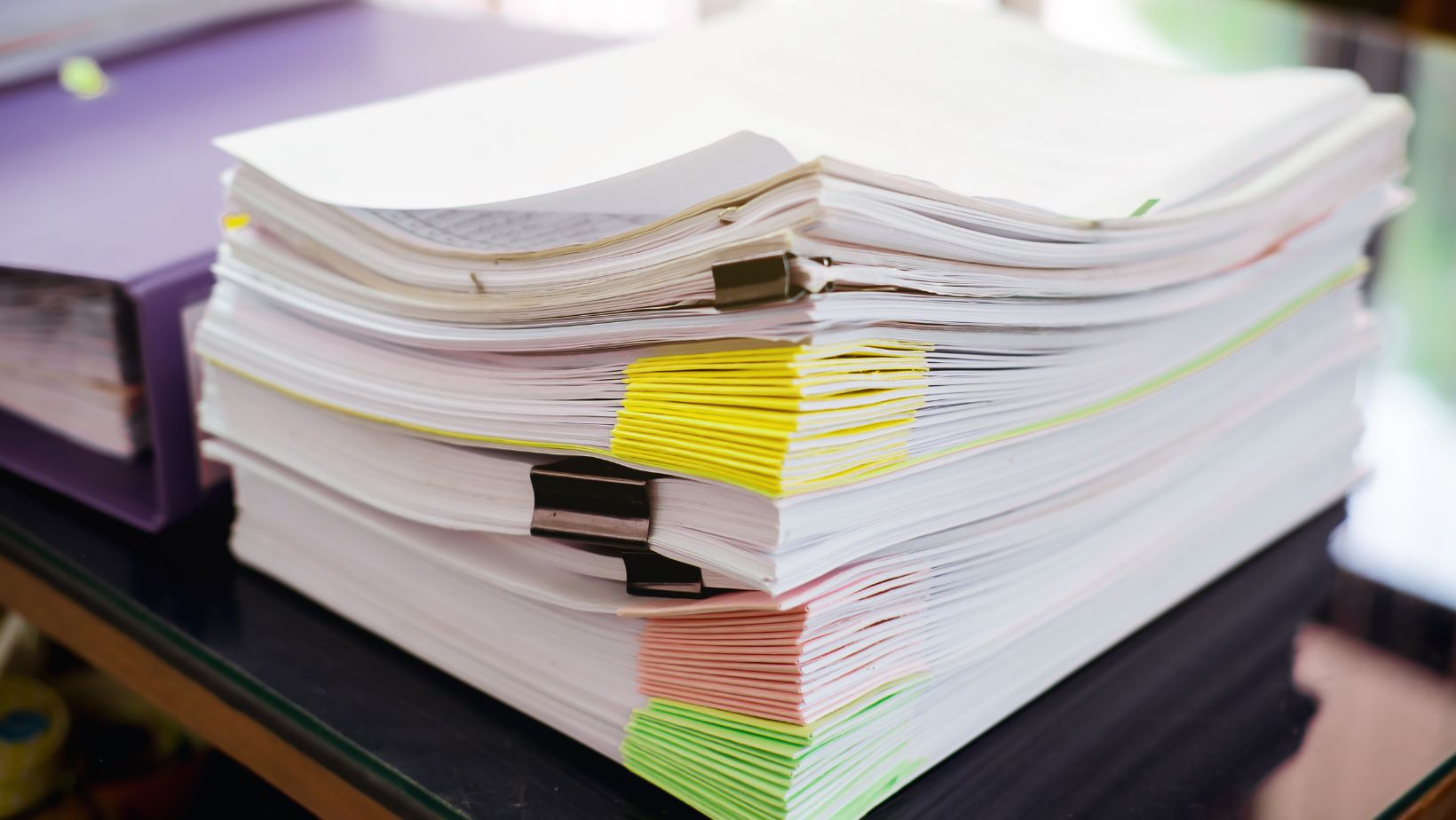
Businesses of all sizes are actively going paperless to improve efficiency, reduce storage costs, and modernize how they manage information. But while scanning and digitizing documents is a major step forward, it doesn’t address one critical issue: what to do with the paper you already have.
Filing cabinets, storage boxes, and archived records don’t simply disappear once they’ve been digitized. In fact, holding onto unnecessary physical documents can create ongoing security risks and compliance concerns. That’s where one-time shredding services play an essential role—helping businesses complete their paperless transition securely and confidently.
What Is a Paperless Transition?
A paperless transition is the process of moving from physical document storage to digital systems, allowing businesses to store, access, and manage information electronically instead of relying on paper files.
Organizations choose to go paperless for several reasons:
- Faster access to documents
- Reduced physical storage needs
- Lower printing and supply costs
- Improved collaboration and remote access
- Environmental benefits
While digitization improves how information is used, it also creates a new responsibility: securely disposing of the original paper records.
The Overlooked Challenge: What Happens to Existing Paper Files?
One of the most common challenges in a paperless transition is dealing with years—sometimes decades—of accumulated paperwork.
These documents often contain sensitive information such as:
- Employee records
- Financial statements
- Client and customer data
- Contracts and legal documents
Simply boxing them up for storage or throwing them in the trash isn’t a safe or compliant solution. Improper disposal can lead to:
- Data breaches
- Identity theft
- Regulatory penalties
- Reputational damage
To fully move forward, businesses need a secure and reliable way to eliminate these risks.
What Are One-Time Shredding Services?
One-time shredding services are secure, professional document destruction solutions designed for businesses that need to dispose of a large volume of paper at once—without committing to an ongoing service.
Unlike scheduled shredding programs, a one-time service is typically used for:
- Office cleanouts
- End-of-year purges
- Post-digitization document disposal
- Moving or downsizing
These services ensure that sensitive documents are destroyed properly, often providing a certificate of destruction for added accountability and peace of mind.
How One-Time Shredding Services Support a Paperless Transition
A successful paperless transition involves more than scanning documents and uploading files into a digital system. It also requires a secure, organized way to manage what happens to the physical paper afterward. This is where professional one-time shredding services become a key part of the process.
Securely Eliminating Sensitive Paper Records
One of the most important roles of a one-time shredding service is ensuring that confidential documents are permanently destroyed. Instead of relying on in-office shredders or informal disposal methods, businesses can remove large volumes of paper in a controlled and secure way.
This helps reduce the risk of sensitive information being exposed during or after the transition to digital systems.
Supporting Compliance and Record Retention Policies
Many industries are required to follow strict regulations for how sensitive information is stored, managed, and destroyed. During a paperless transition, businesses must ensure that physical documents are disposed of in a way that aligns with these requirements—not just digitized and forgotten.
Professional shredding services help support compliance by ensuring secure, verifiable destruction of records that are no longer needed.
For example, organizations may need to comply with regulations such as:
- HIPAA (Health Insurance Portability and Accountability Act) for healthcare-related information
- GLBA (Gramm-Leach-Bliley Act) for financial institutions managing consumer financial information
- SOX (Sarbanes-Oxley Act) for corporate financial recordkeeping and reporting
By using a one-time shredding service, businesses can ensure that documents containing sensitive or regulated information are destroyed in a secure and consistent manner once they’ve met retention requirements.
Freeing Up Your Team to Focus on Digitization
A paperless transition already places significant workload on internal teams—sorting files, scanning documents, organizing digital folders, and verifying data accuracy.
One-time shredding services remove a major task from that workload.
Instead of spending hours or days feeding paper into small office shredders, employees can focus on higher-value tasks like:
- Completing digitization projects
- Organizing digital records
- Improving workflow systems
This helps keep the transition efficient and reduces disruption to daily operations.
Ensuring Environmentally Responsible Disposal
Sustainability is often a key motivation for going paperless, and professional shredding services support that goal. After documents are securely destroyed, the shredded material is typically recycled through established recycling streams.
This ensures that paper is not only disposed of securely, but also reintroduced into the supply chain as recycled material—supporting broader environmental goals.
Creating a Cleaner, More Controlled Transition Process
By combining security, compliance, operational efficiency, and recycling, one-time shredding services help bring structure to the paperless transition process.
Instead of paper becoming an ongoing afterthought, it is handled in a single, controlled step—allowing businesses to fully focus on building and maintaining their digital systems.
Common Mistakes to Avoid During a Paperless Transition
Even with the best intentions, businesses can run into challenges when shifting away from paper. Here are some common mistakes to watch for:
- Keeping unnecessary documents: Holding onto everything defeats the purpose of going paperless.
- Using unsecured disposal methods: Recycling or trash bins don’t provide adequate protection.
- Lacking a clear retention policy: Without guidelines, it’s difficult to know what to keep or destroy.
- Not involving employees: Staff need to understand and follow new processes for the transition to succeed.
Avoiding these pitfalls helps ensure your transition is both efficient and secure.
Completing Your Paperless Transition Securely
A successful paperless transition isn’t just about adopting digital tools—it’s about responsibly managing the information you leave behind.
One-time shredding services provide a secure, efficient way to eliminate outdated documents, reduce risk, and support compliance. More importantly, they help your business fully embrace the benefits of going paperless without lingering concerns about data security.
Ready to take the final step toward going paperless? Reach out to A-1 Shredding today to schedule your service and move forward with confidence.
