


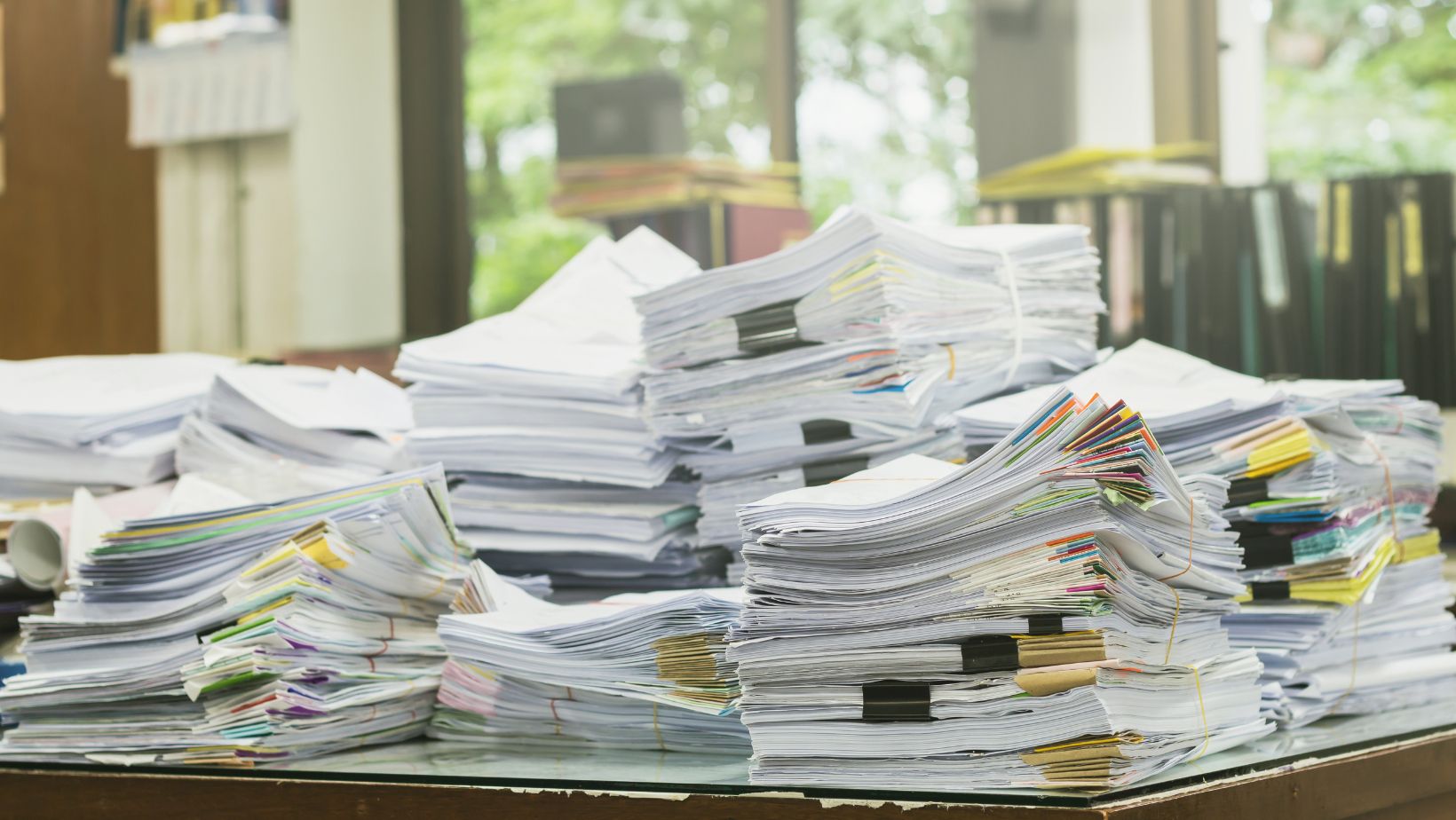
Old paperwork can feel harmless once it is no longer useful. It gets stacked on a desk, tucked into a filing cabinet, tossed into a storage box, or placed in a pile to “deal with later.” The problem is that many documents still contain information that should never end up in the trash or recycling bin.
Knowing which documents require shredding can help protect your personal information, business records, customer details, and financial data before they leave your hands. A single document may include a name, address, account number, signature, medical detail, employee record, or other private information that could create unnecessary privacy risks if it is not disposed of properly.
What Documents Require Shredding For Privacy Protection?
Any document that contains personal, financial, medical, legal, customer, employee, or business information should be shredded before disposal. The main thing to look for is not always the type of document itself, but the kind of information it contains.
A document may need to be shredded if it includes:
- Personal details, such as a name, address, phone number, birth date, signature, Social Security number, or identification number
- Financial information, such as account details, payment history, balances, tax information, or transaction records
- Medical or insurance information, such as health details, prescription numbers, policy numbers, claims, or benefits information
- Legal information, such as agreements, case details, signatures, estate information, or confidential correspondence
- Customer or client information, such as contact details, account notes, service history, orders, or private communications
- Employee information, such as payroll details, applications, performance notes, benefits information, or workplace records
- Business information, such as pricing, proposal information, vendor details, planning documents, or operational details
Some documents are clearly sensitive, but others are easier to overlook. A page does not need to include a full Social Security number, bank account number, or medical record number to create a privacy concern. Even partial information can become risky when combined with other details.
That is why secure document disposal matters. Shredding helps make sure private information is destroyed before it can be seen, collected, or misused.
Business Documents That Should Be Shredded
Businesses handle confidential information every day, often across multiple departments. Once records are no longer needed and any retention requirements have been met, they should be securely destroyed.
Business documents that should be shredded may include:
- Customer records
- Employee files
- Payroll documents
- HR records
- Invoices
- Contracts
- Purchase orders
- Vendor information
- Internal reports
- Legal documents
- Printed emails
- Draft proposals
- Customer lists
- Meeting notes with confidential details
- Financial reports
- Shipping records
- Applications or forms with personal information
Even duplicate copies, outdated drafts, and internal notes should be handled carefully. A rough version of a contract may still include pricing or client details. A printed email may include customer contact information. An old report may include financial, operational, or employee information that should not be thrown into regular garbage or recycling.
Residential Documents That Should Be Shredded
Households also collect paperwork that can expose personal, financial, medical, or legal information. These documents often build up in filing cabinets, drawers, boxes, and home offices.
Residential documents that should be shredded may include:
- Bank statements
- Credit card statements
- Old cheques
- Tax documents
- Pay stubs
- Utility bills
- Loan documents
- Mortgage paperwork
- Investment statements
- Medical bills
- Insurance paperwork
- Prescription information
- Expired IDs or copies of identification
- Credit card offers
- Receipts with payment details
- School forms
- Legal paperwork
- Documents with names, addresses, signatures, or account details
At home, shredding is a simple way to reduce privacy risks and support identity theft prevention. A good rule to follow is this: if the document includes information you would not want a stranger to see, it should be shredded.
Why Document Shredding Matters For Privacy Protection
Privacy protection doesn’t end when a document is no longer useful. In many cases, the risk begins when paperwork is discarded carelessly. Shredding helps reduce that risk by destroying sensitive information before it leaves your home, office, or organization.
It Helps Protect Sensitive Information
Sensitive information can show up in many forms, not just in official records. A document may include personal details, customer information, employee records, financial data, pricing, contracts, account numbers, signatures, medical details, or internal business notes.
When these documents are placed in regular trash or recycling, they may pass through multiple hands before they are collected, sorted, or processed. They may also sit in open bins, loading areas, public spaces, or unsecured storage rooms where information can be seen or taken.
Shredding helps reduce that risk by destroying sensitive information before it leaves your control. This gives individuals and businesses a safer way to dispose of paperwork that should not be publicly visible.
It Reduces The Risk Of Identity Theft And Fraud
Identity theft does not always require one complete document with every detail included. Sometimes, smaller pieces of information can be combined to create a larger privacy risk.
Old statements, forms, receipts, bills, and letters may contain enough information to help someone misuse an identity, access an account, or attempt fraud. Secure shredding helps make that information unreadable before it can be misused.
It Protects Customer And Employee Information
Customer and employee records often contain details that people trust a business to keep private. This can include contact information, account details, payment records, applications, payroll information, benefits paperwork, performance notes, or other identifying details.
When these documents are no longer needed, they still need to be handled carefully. Throwing them into regular garbage or recycling can expose information that belongs to the people your business serves or employs.
A clear shredding process helps protect that trust. It gives staff a consistent way to dispose of customer and employee documents securely, so private information is not left in open bins, desk piles, or unsecured storage areas.
It Supports Better Compliance And Record Disposal Habits
Depending on the type of business and the information being handled, there may be privacy, security, compliance, or record disposal expectations to follow. A consistent shredding routine can help organizations manage sensitive paperwork more responsibly and support better compliance practices.
Shredding also makes secure disposal easier for staff. When employees know where confidential documents should go, there is less confusion and less risk of private information ending up in the wrong place.
How Long Should You Keep Documents Before Shredding Them?
Not every document should be shredded right away. Some records need to be kept for tax, legal, accounting, insurance, operational, or industry-specific reasons. The right retention period can depend on the type of document, the organization, and any rules or policies that apply.
For example, some financial and tax records may need to be kept for several years. Certain contracts may need to be stored until the agreement is complete and any related obligations are resolved. Employee records, medical paperwork, legal documents, and insurance files may also have specific retention requirements.
Because these requirements can vary, it’s important to follow the record retention guidelines that apply to your business or industry. When unsure, speak with a qualified legal, accounting, financial, or compliance professional before destroying important records.
Once a document is no longer needed, however, it should not sit around indefinitely. Old records can take up valuable space and increase the amount of private information being stored. Secure document disposal gives you a safer way to remove outdated files while keeping privacy protection in mind.
Why Professional Paper Shredding Is Safer Than A Small Office Shredder
A small home or office shredder may work for a few documents, but it is not always practical for larger amounts of paperwork. Small shredders can jam, overheat, take extra time, and make it easier for shredding to be delayed or skipped.
Professional paper shredding gives homes and businesses a more efficient way to destroy confidential documents in bulk. It can help save time, support a more consistent disposal process, and reduce the risk of sensitive paperwork ending up in regular garbage or recycling.
For businesses, professional shredding can also make document disposal easier for staff. Instead of relying on employees to shred papers one stack at a time, confidential documents can be collected securely and destroyed through a proper shredding process.
How To Build A Safer Document Disposal Routine
The easiest way to protect private information is to make shredding part of your regular routine. When there is no clear process, sensitive documents often end up in random piles, desk drawers, recycling bins, or garbage cans.
Set Aside Documents That Need Shredding
For households, start by creating a simple “to shred” box, folder, or bin. Use it for documents that include personal information, financial details, account numbers, medical information, signatures, or anything you would not want publicly visible.
For businesses, it helps to have a secure place where employees can put confidential paperwork throughout the day. With scheduled shredding services, shredding companies often provide locked collection containers for this purpose. This gives staff a simple and consistent way to dispose of sensitive documents without leaving them in desk piles, recycling bins, or open garbage cans.
Once documents are collected, they can be securely destroyed through a scheduled pickup, one-time shredding service, or secure drop-off option if available.
Create A Clear Process For Employees
For businesses, a safer routine may include locked collection containers, employee training, scheduled pickups, and clear rules for what should be shredded. Staff should not have to guess whether a document is sensitive.
A simple policy can make disposal easier and more consistent. It also helps employees understand that confidential paperwork should be handled carefully, even when it is no longer needed.
Review Stored Records Regularly
Old files can build up quickly in offices, storage rooms, filing cabinets, and off-site spaces. It helps to review stored records on a regular basis so outdated documents do not sit around longer than necessary.
A one-time purge can help remove a large amount of old paperwork all at once, while scheduled shredding can keep future documents under control.
Protect Your Privacy With Secure Document Shredding
Many documents require shredding because they contain information that should not be exposed. Personal records, financial paperwork, medical documents, legal files, customer records, employee information, and everyday business documents can all create privacy risks if they are thrown away carelessly.
Shredding helps protect private information, reduce clutter, support identity theft prevention, and give homes and businesses a safer way to dispose of old records. When documents are no longer needed, they should be destroyed securely instead of being left in storage or tossed into regular trash.
If you have old paperwork, business records, customer files, employee documents, or confidential information that needs to be securely destroyed, contact A-1 Shredding to get a quote for professional document shredding services. The right shredding service can help you clear out sensitive documents with confidence and build a safer disposal routine moving forward.
