


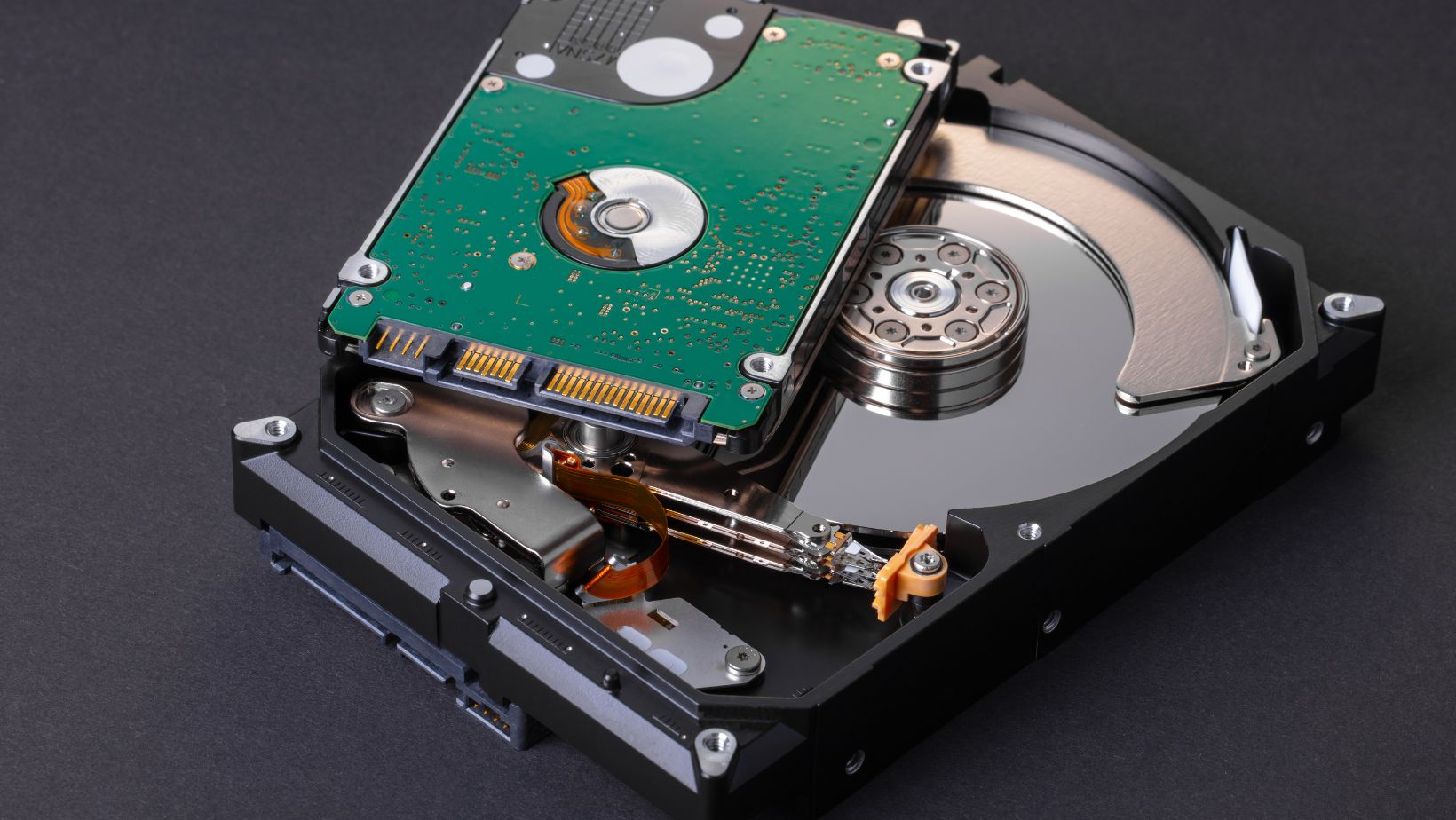
As businesses upgrade technology and retire old equipment, one critical question often gets overlooked: What happens to the data left behind? Old computers, servers, and external drives can still contain highly sensitive information long after they’re no longer in use. Understanding the difference between data deletion and physical hard drive destruction is essential for protecting your organization from data breaches, compliance issues, and reputational damage.
While both methods aim to prevent unauthorized access to information, they offer very different levels of security.
What Is Data Deletion?
Data deletion refers to removing files or data from a hard drive through standard digital processes. This can include deleting files, emptying a recycle bin, formatting a drive, or even using software designed to wipe data.
At first glance, data deletion may seem sufficient. Files disappear, systems reset, and devices appear ready for reuse or disposal. However, in many cases, deleted data isn’t truly gone. The information often remains on the drive until it’s overwritten, making it possible for skilled individuals to recover it using specialized tools.
For organizations that handle personal, financial, or confidential business data, this creates a significant risk. A hard drive that looks “clean” may still contain recoverable information that could fall into the wrong hands.
What Is Physical Hard Drive Destruction?
Physical hard drive destruction takes data security a step further by rendering the drive itself unusable. Instead of relying on software, this method permanently eliminates data by physically damaging the hard drive.
The most common physical destruction method used by professional providers is shredding where hard drives are broken down into small pieces
Once a hard drive has been shredded, the data stored on it is permanently destroyed. There is no possibility of recovery, which makes physical destruction the most secure option for sensitive information.
Key Differences Between Data Deletion and Physical Destruction
While both approaches aim to protect data, the differences between them are significant.
Level of Security
Data deletion offers limited security because deleted data can often be recovered. Physical hard drive destruction provides the highest level of protection by eliminating the storage media entirely.
Risk of Data Recovery
With data deletion, recovery is possible in many cases. With physical destruction through shredding, recovery is not possible.
Compliance and Legal Protection
Many privacy regulations and industry standards require organizations to take reasonable steps to ensure data cannot be accessed after disposal. Physical destruction is widely accepted as the most defensible method if an organization’s data handling practices are ever questioned.
Use Cases
Data deletion may be suitable for low-risk situations, such as reusing internal equipment with no sensitive data. Physical destruction is best for end-of-life drives, outdated servers, and any device containing confidential or regulated information.
Legal and Compliance Considerations
Data protection laws and industry regulations place responsibility on organizations to safeguard personal and confidential information—even after it’s no longer needed. In the United States, privacy regulations can hold businesses accountable for data breaches caused by improper disposal.
If a hard drive containing customer records, employee information, financial data, or proprietary business information is recovered from the trash or a resale market, the consequences can be severe. These may include fines, legal action, loss of customer trust, and long-term damage to your brand.
Physical hard drive destruction helps organizations demonstrate due diligence by ensuring data is permanently destroyed and no longer accessible.
When Is Data Deletion Enough — and When Is It Not?
Data deletion may be acceptable in limited situations, such as:
- Reassigning a computer internally within the same organization
- Temporary data removal on devices that remain under full control
However, physical hard drive destruction is strongly recommended when:
- Devices are being disposed of, recycled, or donated
- Equipment is leaving your organization permanently
- The data involved includes personal, financial, medical, or confidential business information
- Compliance requirements demand irreversible data destruction
When in doubt, choosing physical destruction reduces risk and provides peace of mind.
Why Professional Hard Drive Destruction Matters
Attempting to destroy hard drives on your own can be risky and inconsistent. DIY methods may leave data partially intact or fail to meet compliance expectations. Professional hard drive destruction ensures secure handling, proper processes, and documented proof that the data has been destroyed.
A trusted provider also maintains a secure chain of custody, ensuring your hard drives are protected from the moment they’re collected until destruction is complete.
How A-1 Shredding Helps Protect Your Data
A-1 Shredding provides secure, professional hard drive destruction services designed to help businesses protect sensitive information and meet compliance requirements. Using proven shredding methods, A-1 Shredding ensures your hard drives are permanently destroyed and cannot be reconstructed.
Whether you need on-site or off-site destruction, A-1 Shredding offers reliable solutions backed by secure processes and certificates of destruction for your records.
Protect Your Data with Confidence
When it comes to data security, not all disposal methods are equal. While data deletion may seem convenient, it often leaves organizations exposed to unnecessary risk. Physical hard drive destruction is the most secure way to ensure sensitive information is permanently eliminated.
Contact A-1 Shredding today to schedule professional hard drive destruction and protect your business from data breaches, compliance issues, and costly mistakes.
